
EUVP visit story - Lamia Bazir
Bridging Inclusive Leadership Between Morocco and the European Union: Reflections from the EUVP 2026 by Lamia Bazir
This unique human and intellectual experience confirmed that inclusive leadership—grounded in mutual respect, shared learning, and evidence-based action—is the most effective pathway to sustainable social change. From 2 to 6 March 2026, I had the honour of participating in the European Union Visitors Programme (EUVP) in Brussels. This initiative brings global leaders together to engage directly with European institutions and decision-makers. Taking part in the thematic week on Gender Equality and Equal Opportunities resonated deeply with my long-standing commitment to inclusive development, women’s empowerment, and child protection in Morocco.
My professional journey has been rooted in promoting equal opportunities and human dignity. As former Executive Director of the National Observatory for the Rights of the Child, I worked to ensure that child protection policies are translated into tangible impact. Through my initiative Empowering Women in the Atlas, I have focused on strengthening women’s economic empowerment, employability, and grassroots leadership in rural Morocco. Participating in the EUVP allowed me to link these local realities with broader European and global dynamics. 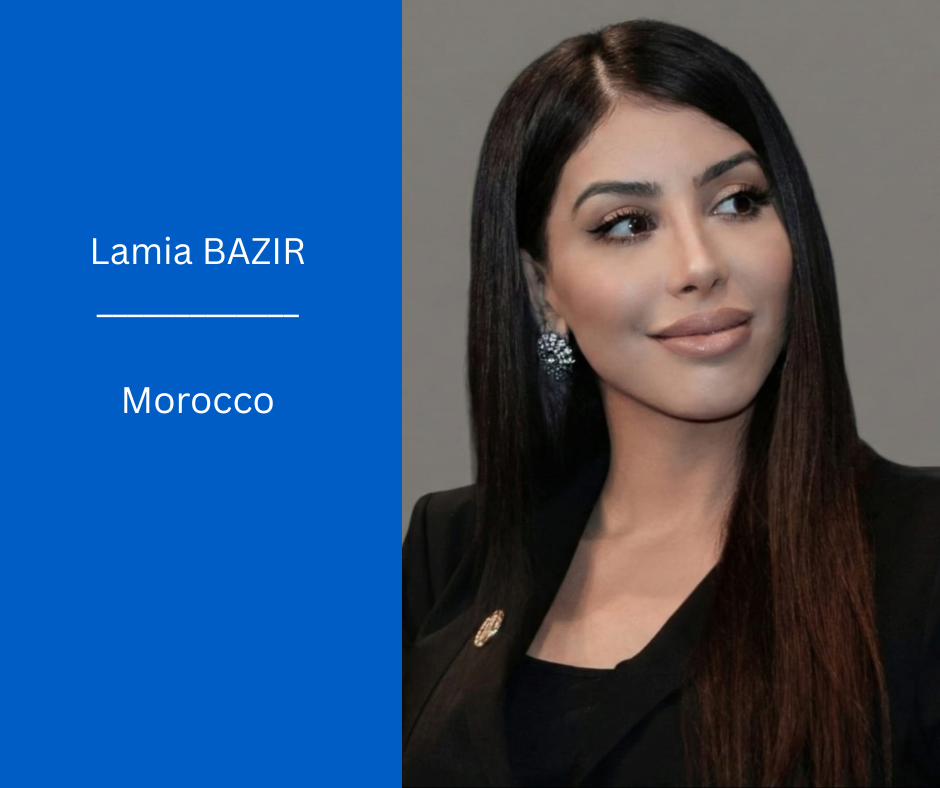
Throughout the week, I met representatives from the European Parliament and European Commission, as well as senior policy experts and advisors on equality, social affairs, and international partnerships. These exchanges offered invaluable insight into the EU’s institutional framework, decision-making processes, and policy priorities—particularly those aligned with my work. I was privileged to attend the official launch of the new EU Strategy for Gender Equality 2026–2030. Being present at this milestone was both symbolic and inspiring. I had the opportunity to engage with Hadja Lahbib, European Commissioner for Equality, Preparedness, and Crisis Management, reaffirming the shared urgency of advancing gender equality as both a social imperative and a cornerstone of sustainable development and democratic resilience.
One striking realisation was that women across borders face remarkably similar challenges: structural barriers to leadership, anti-rights narratives, societal pressures, and limited digital participation. Our discussions highlighted the need for both legal measures, such as quotas, and holistic empowerment programmes. Women require support that builds agency, confidence, digital literacy, civic awareness, and resilience—essential tools in a rapidly evolving digital and political landscape. Another key insight was the EU’s reliance on research and evidence-based policymaking. Both Parliament and Commission collaborate with research institutions and independent experts to provide comparative data and best practices. This structured approach strengthens credibility, ensures policies are grounded in analysis, and allows strategies to be refined as needed.
I was particularly impressed by how research systematically informs legislative debates and policy design—a hallmark of the EU’s institutional strength. Beyond institutional learning, I valued sincere exchanges with high-level representatives, including Nicolae Ștefănuță, Vice-President of the European Parliament; Helena Dalli, former European Commissioner for Equality; Peter Wagner, Director of the Service for Foreign Policy Instruments; Sanna Lepola, Director-General for Parliamentary Democracy Partnerships; and Josie Christodoulou, Commissioner for Gender Equality of Cyprus. During these discussions, I emphasised the imperative of treating all women—regardless of origin, country, political system, or religion—as equally deserving of rights, dignity, and consideration. Avoiding dehumanisation and double standards is essential to the universality of human rights.
Regarding Morocco, I highlighted that its rich civilisation, culture, and strong identity have long empowered women to contribute to national development, despite significant challenges. Moroccan women have preserved their authenticity while embracing modern tools and approaches for progress. Under the enlightened vision of His Majesty King Mohammed VI, advancing women’s status and gender equality is an irreversible choice for Morocco. Any regression is unacceptable. Morocco remains committed to strengthening women’s autonomy, participation, and contribution to social, economic, and political life. These exchanges reinforced my conviction that sustainable progress in equality policies depends on continuous dialogue among institutions, civil society, international organisations, and research bodies. Evidence-based decision-making is critical. In Morocco, closer collaboration between Parliament, government institutions, universities, and independent experts can ensure policies are grounded in reliable data and long-term impact assessments. Bridging research and policymaking is not a luxury—it is a prerequisite for inclusive and effective governance.
Beyond the institutional dimension, the EUVP was profoundly human. Open dialogue with European counterparts reaffirmed my belief that stronger Morocco–EU relations must rest on mutual respect, shared learning, and people-to-people connections. Cooperation should extend beyond trade and security to include social innovation, gender equality, youth engagement, and shared democratic values. As someone shaped by public service and civil society engagement, I see my role as a bridge-builder—connecting institutions with citizens, local realities with international platforms, and Morocco with its European partners. The EUVP strengthened my capacity to fulfil that role with greater clarity and strategic vision. Above all, I was touched by the kindness of the organising team and the generosity and authenticity of those we met. Their openness revealed a human face of Europe—anchored in values, structured by institutions, and committed to progress.